PROJECT OVERVIEW
Sukhaya – Museum of Wellbeing is an interactive museum that reimagines wellness by shifting the focus away from expensive, trend-driven lifestyles and back to simple, accessible practices rooted in ancient traditions and everyday living. Designed to be located close to residential communities, the museum makes wellness convenient and approachable for people with busy schedules, encouraging them to integrate healthy habits into their daily routines.
Through interactive exhibits, immersive storytelling, and hands-on activities, visitors discover practical, cost-effective wellness practices that are relevant to people across different socioeconomic backgrounds, particularly the middle class. By making wellbeing engaging, inclusive, and easy to adopt, Sukhaya promotes a healthier lifestyle that is sustainable for everyday life.
Art Therapy
This space encourages visitors to actively participate in creative wellness activities such as art, craft, pottery and hands-on workshops, promoting wellbeing through learning by doing.
The Mindful Eating
explores global food traditions through interactive displays, miniature kitchen replicas, and sensory experiences, encouraging visitors to develop healthier and more mindful eating habits..
elements
Museum Galleries
The Stories Gallery
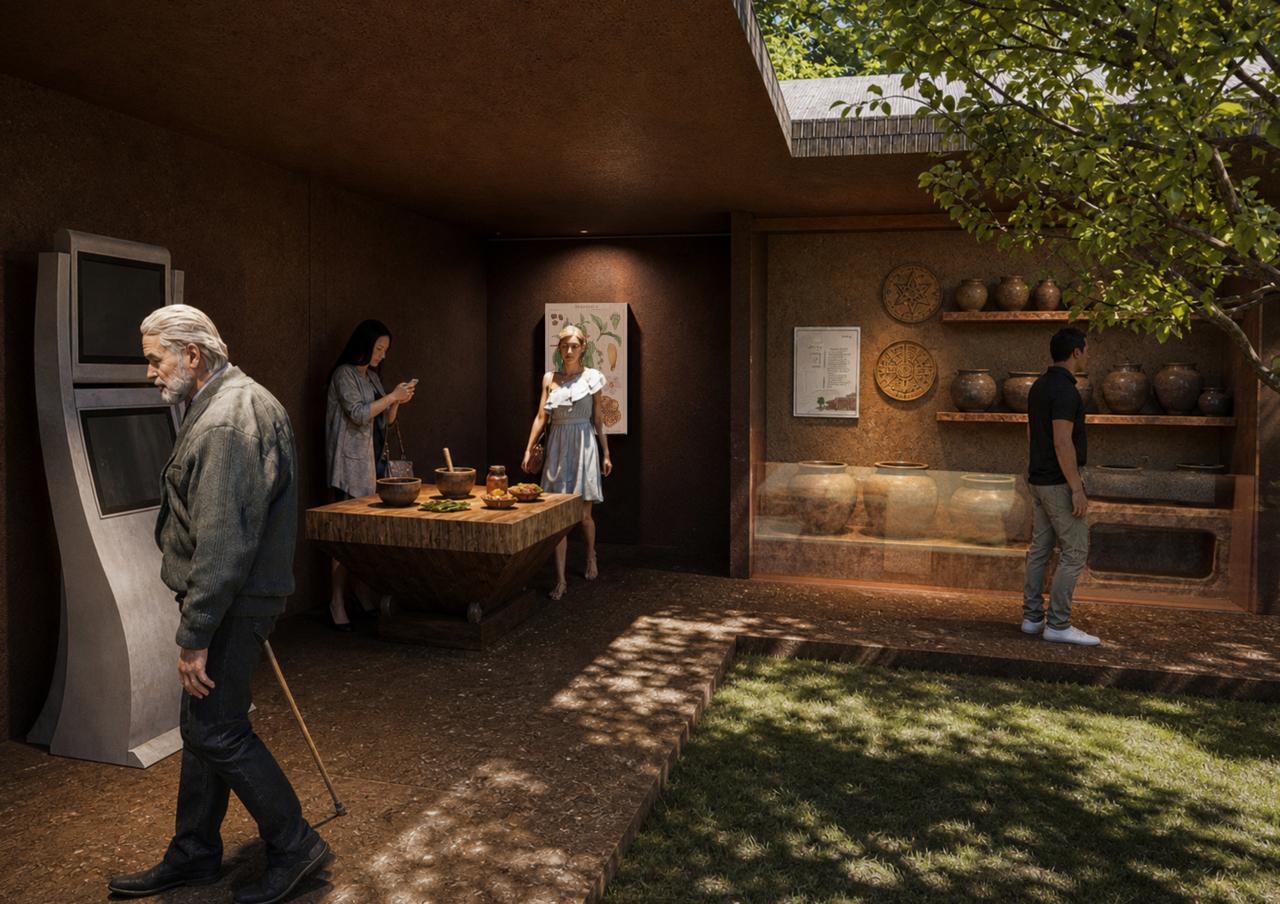
explores wellness through cultural objects, traditions, and interactive storytelling, showcasing simple practices from around the world that continue to inspire everyday wellbeing.
Sensory Practices
This Gallery uses projection mapping, sound, light, and immersive experiences to engage the senses, helping visitors practice mindfulness and relaxation in an interactive environment.
Habit Building
encourages visitors to practice simple activities like yoga and meditation, helping them build sustainable wellness habits that can be incorporated into daily life.

Future and Wellness
explores how technology can support wellbeing through interactive tools, wearable devices, and data visualizations, encouraging visitors to understand and manage their health in everyday life.

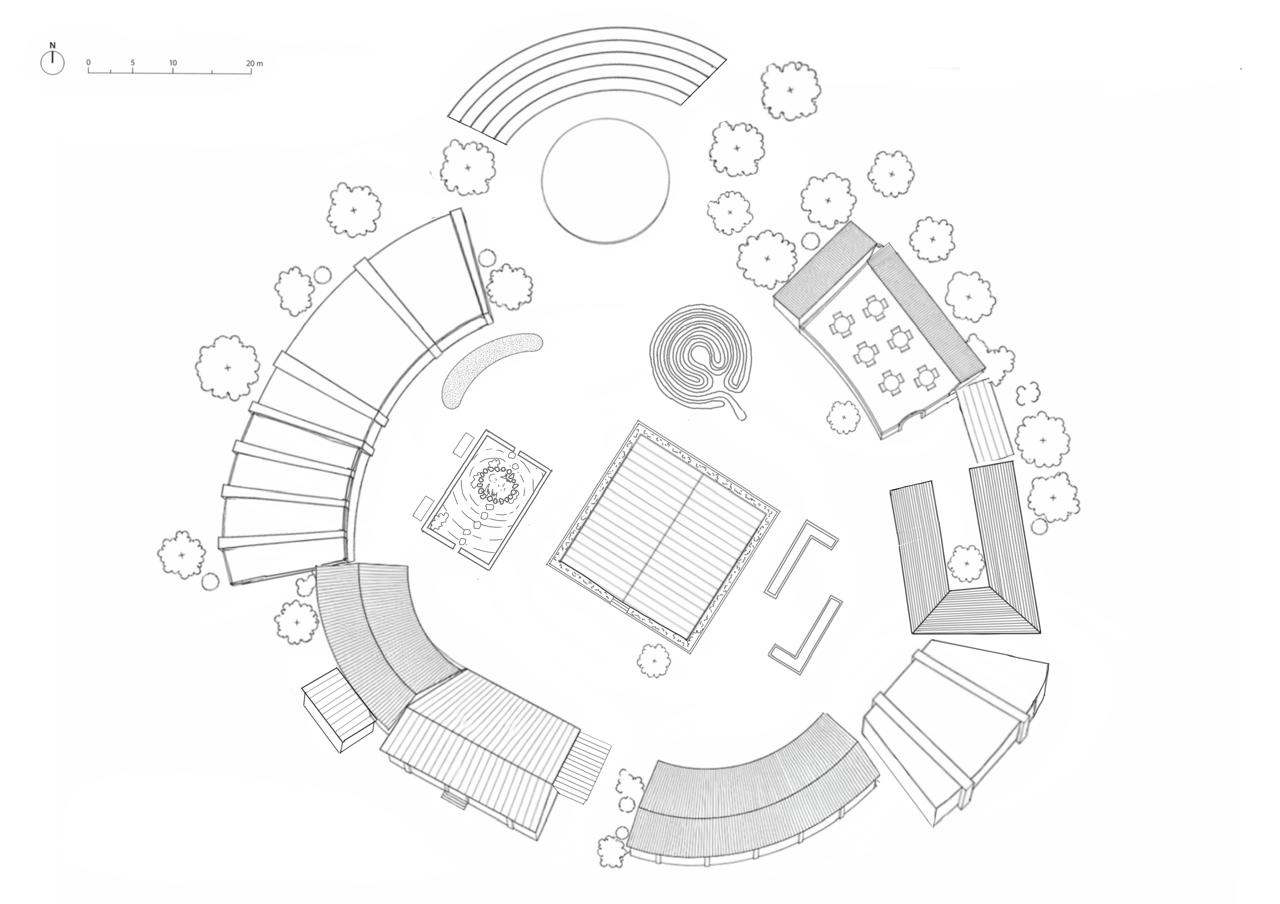
Enter
Exit
Art Therapy
Amphitheater
Washroom
Information Desk
Pebble walking path
Zen garden raking
labyrinth walk
Ayurveda plantation
Graphics
Space
Legend
Introduction Gallery
Stories gallery
Mindful eating cafe
Mindful eating gallery
Sensory
Future and wellness
Admin
Habit building

Space, Location and Visitor flow
Mumbai was selected because of its fast-paced urban lifestyle, creating a need for accessible spaces that support everyday wellbeing. Maharashtra Nature Park was chosen for its proximity to residential communities, public connectivity, and natural setting, offering a restorative contrast to the city.
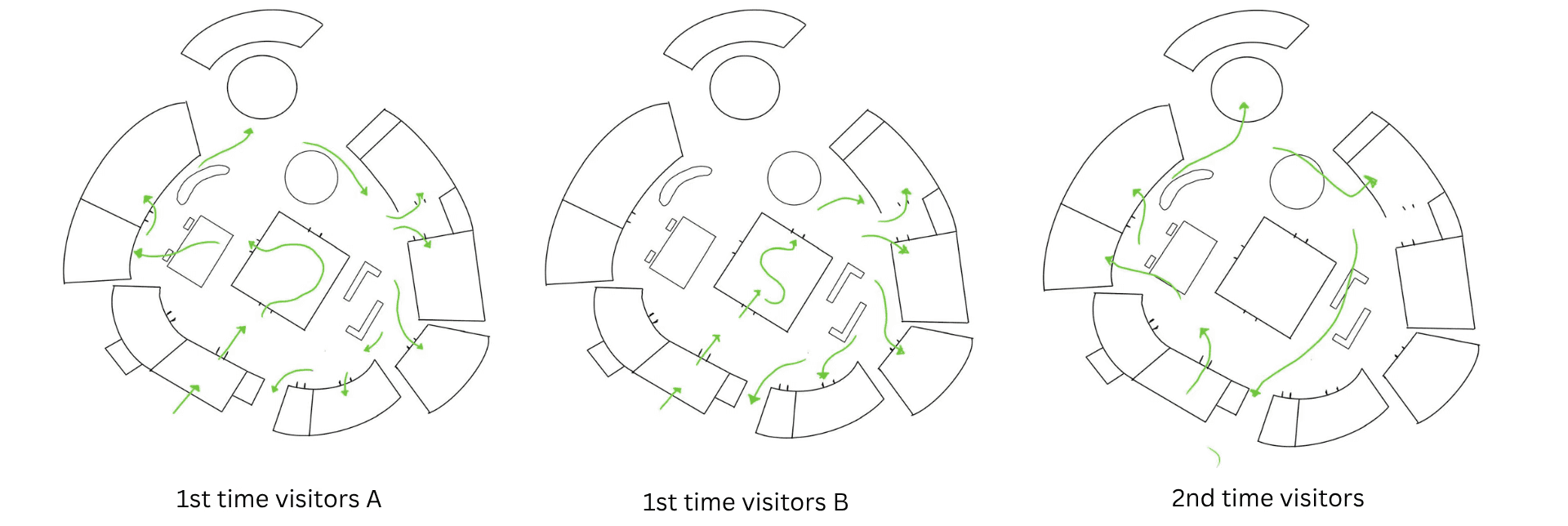
The museum is designed as an inclusive space for all, with flexible visitor journeys—first-time visitors can explore the complete experience, while shorter routes and direct access to activities support visitors with limited time or returning visitors
Sukhaya
Duration
8 weeks
DESIGN PROJECT 3
Museum of Wellbeing

explores how technology can support wellbeing through interactive tools, wearable devices, and data visualizations, encouraging visitors to understand and manage their health in everyday life.
explores how technology can support wellbeing through interactive tools, wearable devices, and data visualizations, encouraging visitors to understand and manage their health in everyday life.
Sukhaya is a term rooted in Sanskrit. The word is derived from "sukh," which translates to happiness or pleasure. "Sukhaya" can be understood as a state of being happy or at ease. The term is often used in various contexts within Hinduism and Sanskrit literature, where it signifies a sense of well-being and contentment.


merchandise
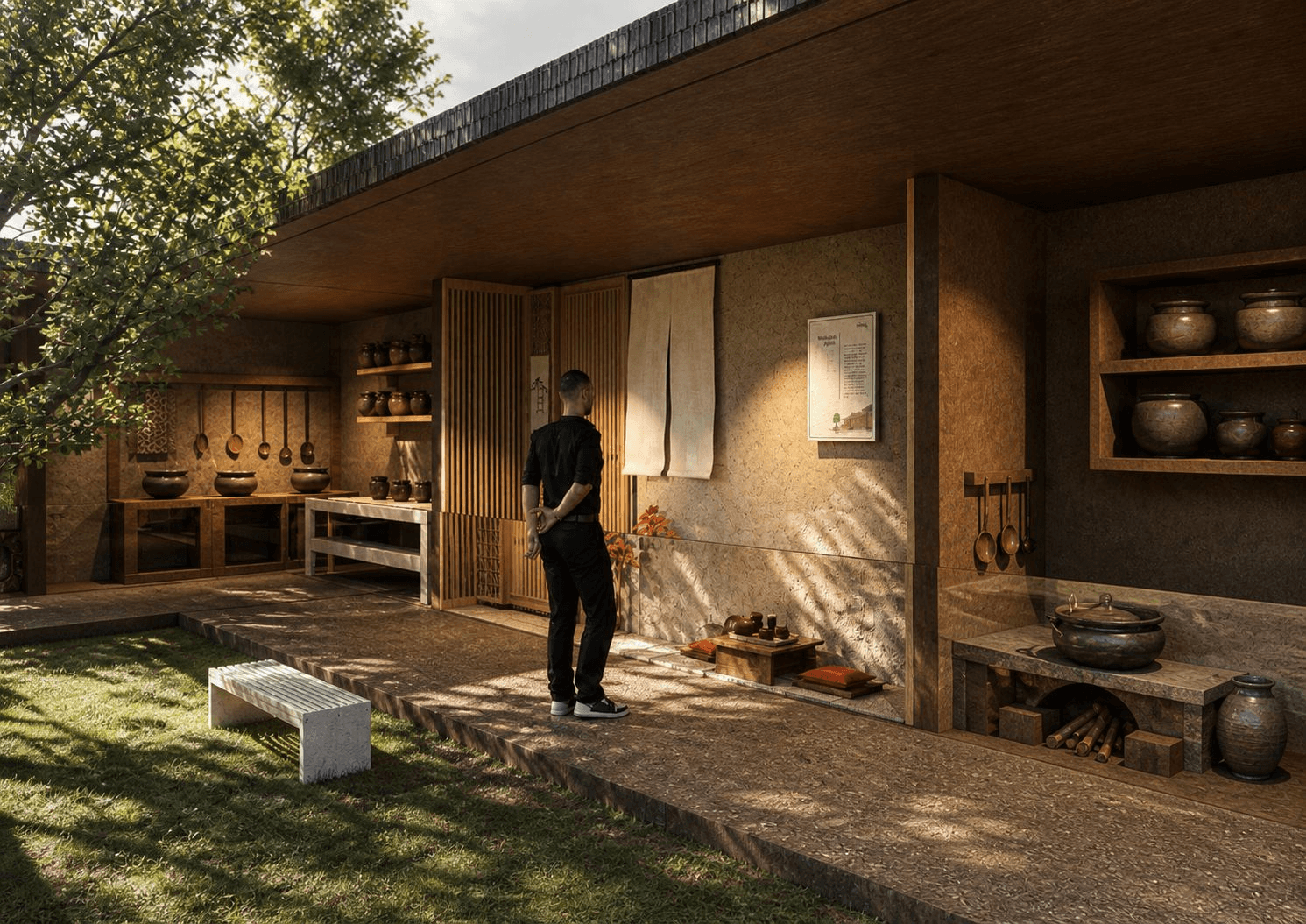
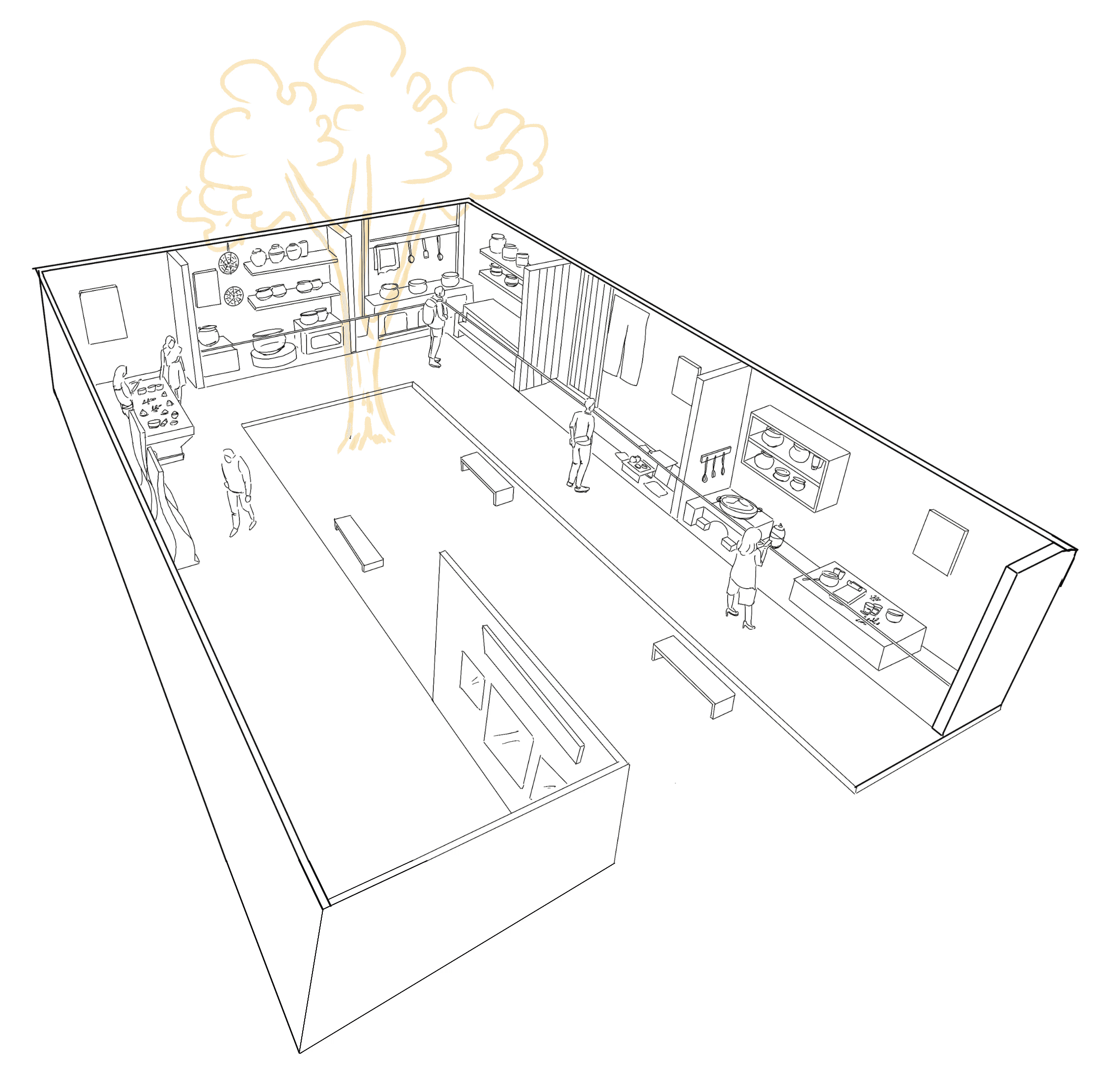
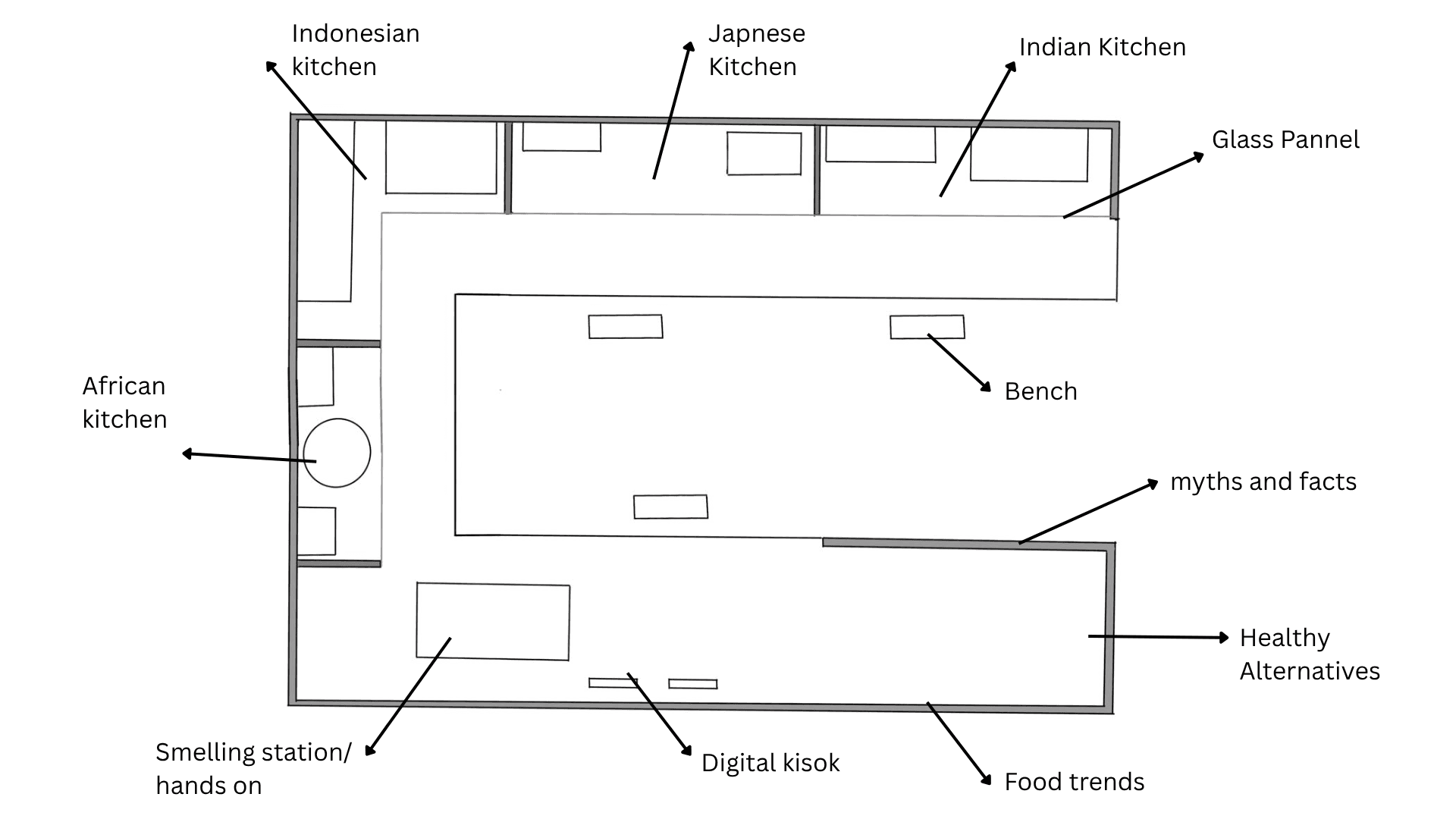
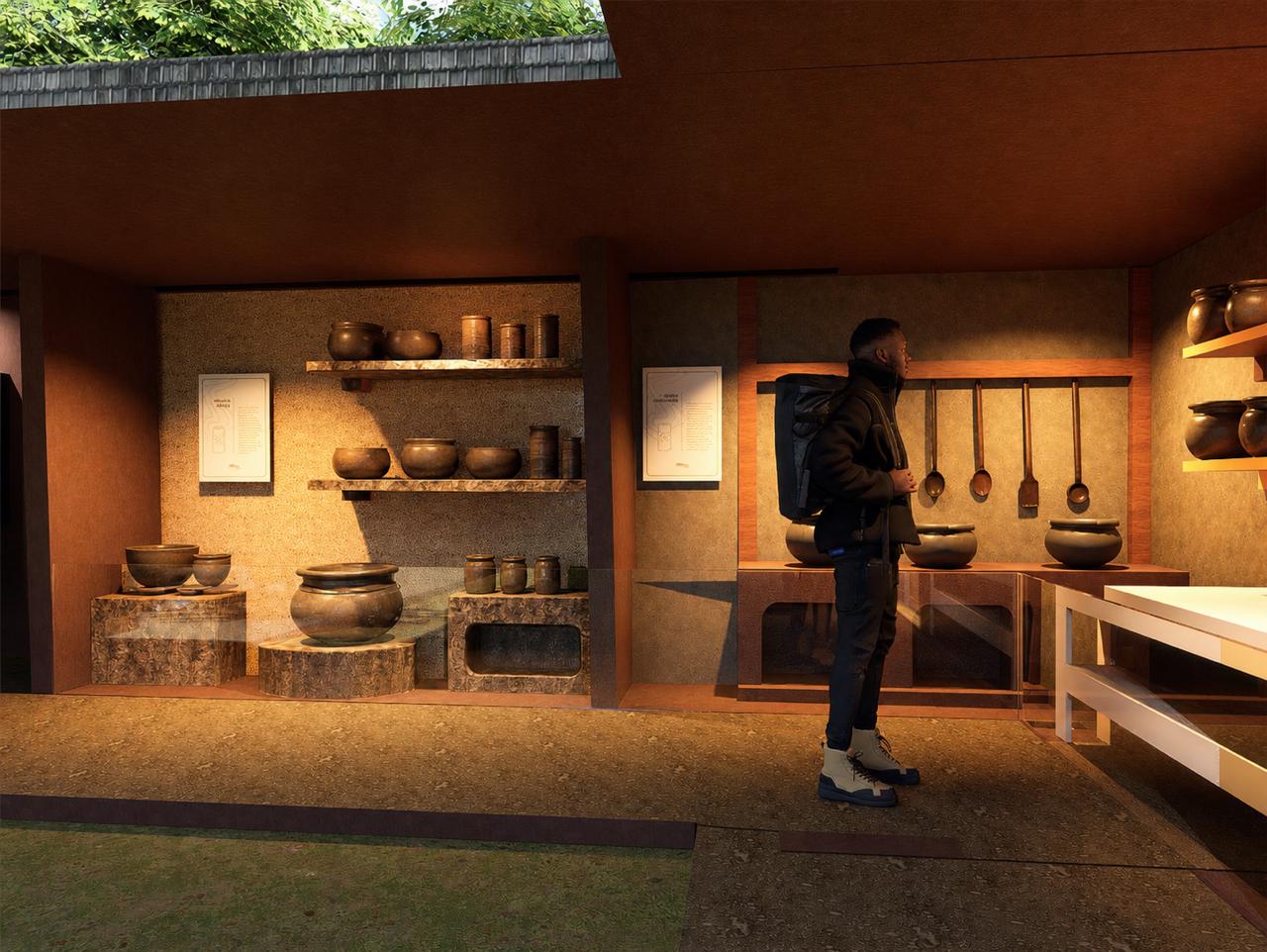
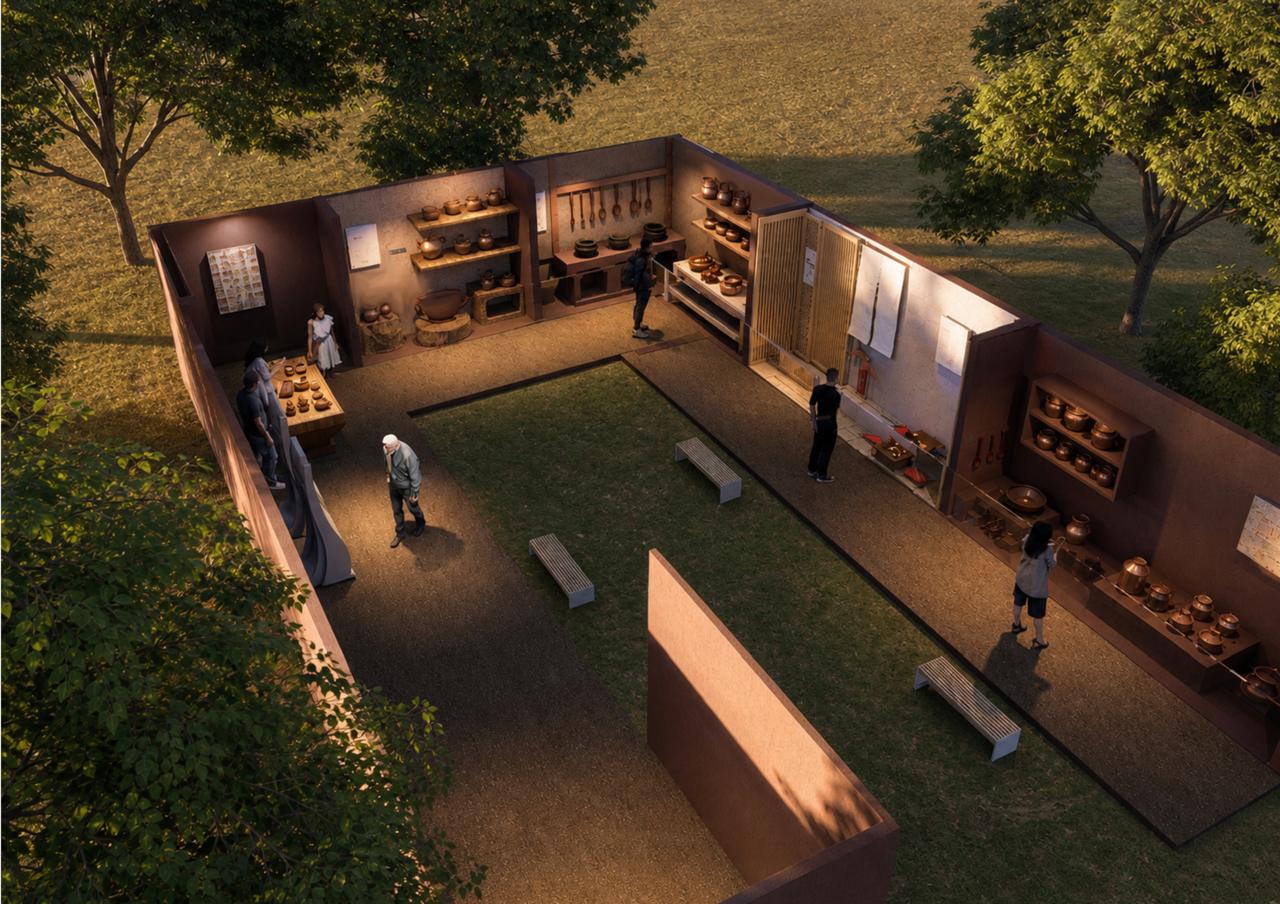
The Mindful Eating Gallery explores food traditions from different cultures through miniature kitchen replicas, smelling stations, and hands-on experiences, along with insights into contemporary wellness trends and healthy alternatives.
space design
Mindful eating Gallery

Graphics
SPACE

SKETCHUP, D5 RENDER
FINAL RENDERS
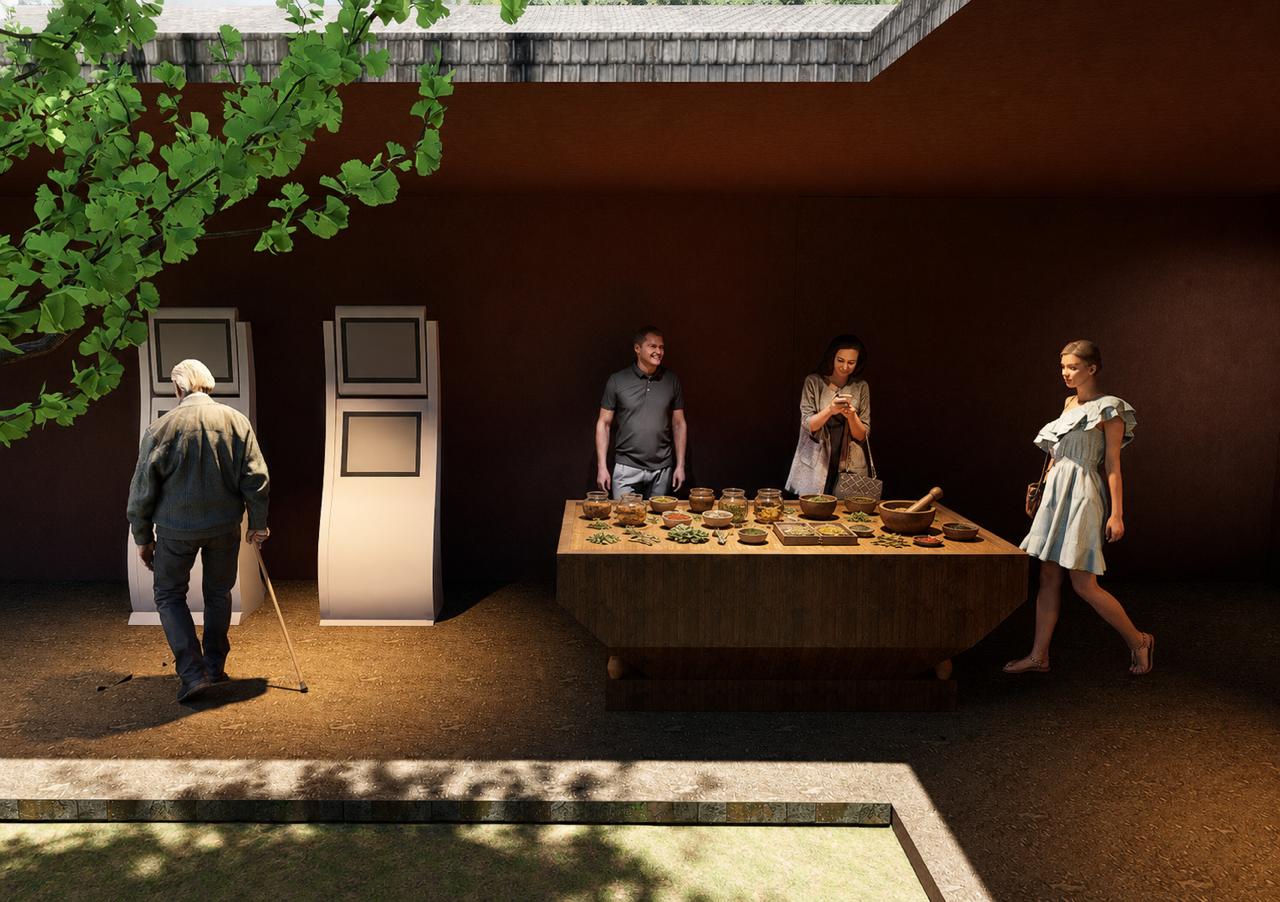
Exhibition Design
Graphics and content
Exhibition Design
Graphics and content
OlKHAAN
Scenography
Visual Identity
Illustrations
Set Design
Costumes and Props
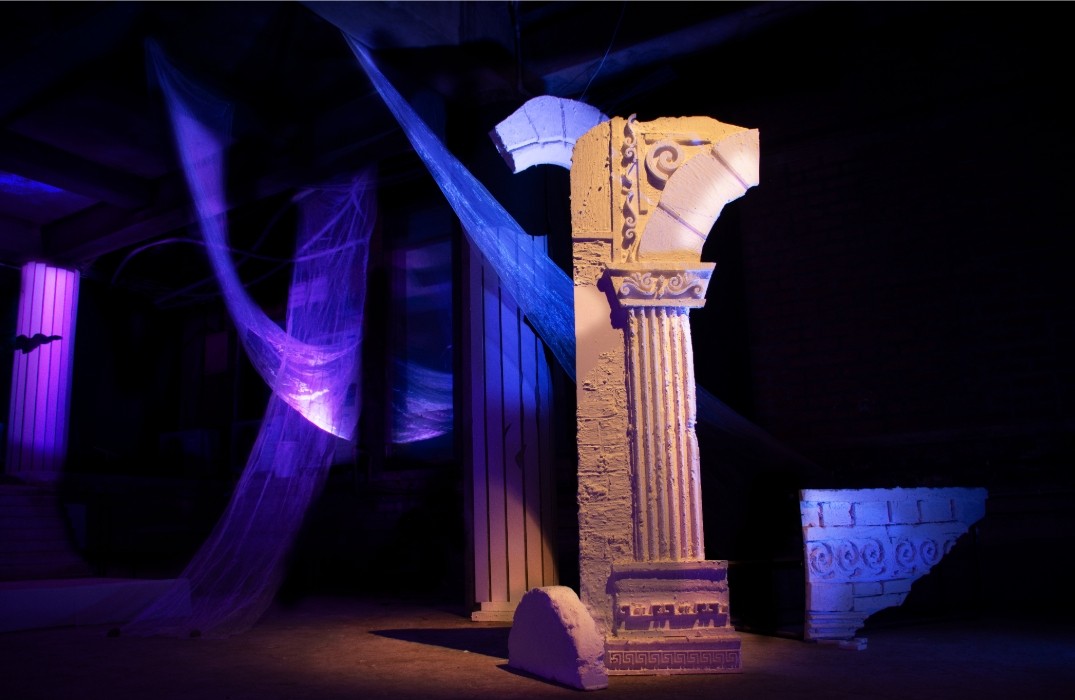


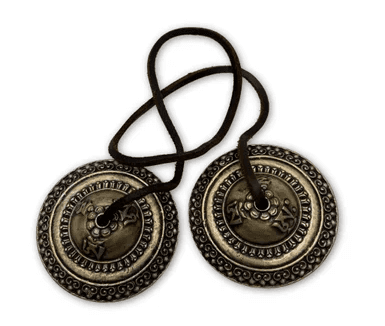
Mud Plaster / Rammed Earth – gives the space its earthy character.
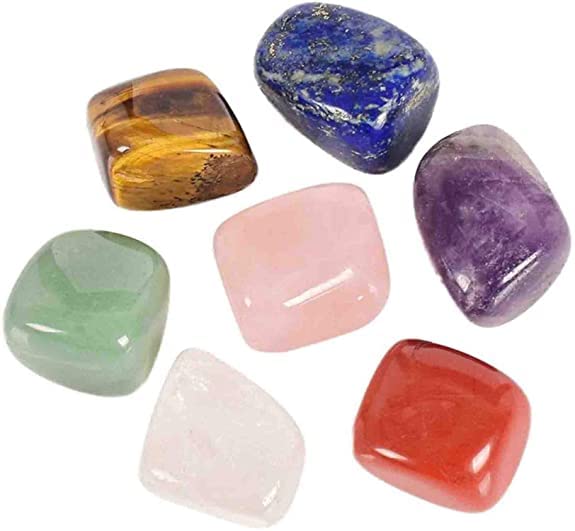
Natural Stone – flooring, plinths, counters and lower wall surfaces.
Wood – shelves, furniture, ceiling details and partitions.
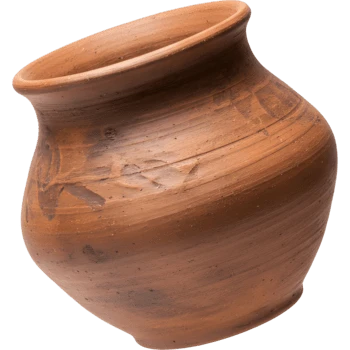
Terracotta – accent walls, pottery and warm colour accents.
Exposed Concrete – benches, steps, tables and structural elements
CMF